The Seasonal Stargazer's Playbook: When and Where to Catch the ISS at Its Brightest
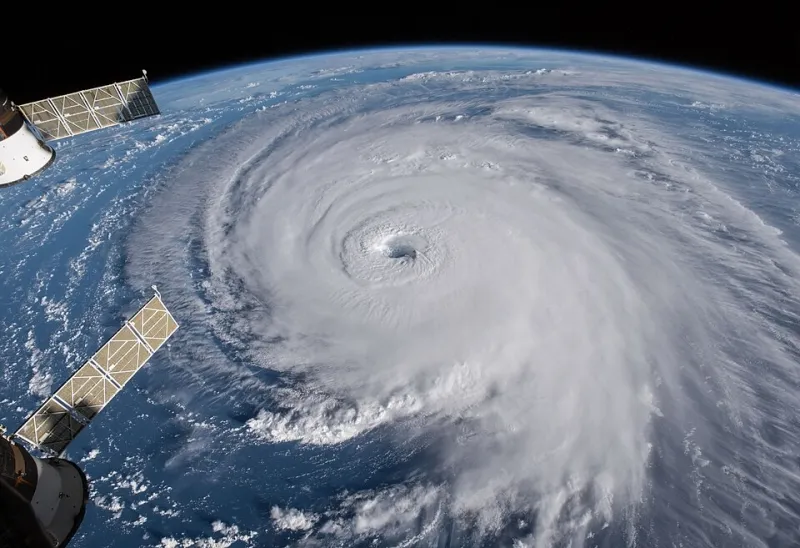
Photo: NASA/Goddard Space Flight Center, CC BY 2.0, via Wikimedia Commons
There's something almost addictive about spotting the International Space Station sliding silently across the night sky. One moment it's not there, and then — there it is — a steady, bright point of light moving with quiet purpose from horizon to horizon. But if you've ever set an alarm, gone outside, and stared into an empty sky, you already know the frustrating truth: the ISS doesn't just show up on demand.
The good news is that its appearances aren't random. They follow a rhythm shaped by orbital mechanics, Earth's tilt, and your own position on the planet. Once you understand that rhythm, you stop chasing the station and start meeting it halfway.
Why the ISS Isn't Visible Every Night
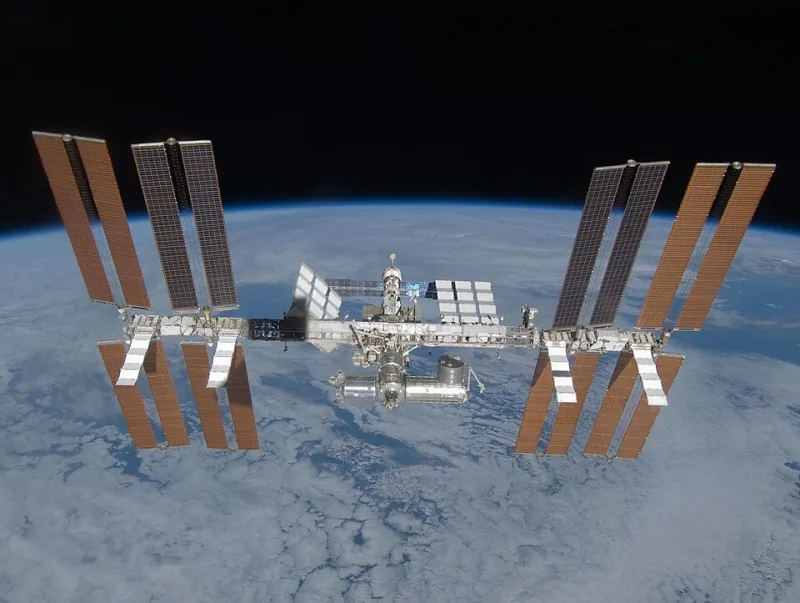
The space station orbits Earth roughly every 90 minutes at an altitude of around 250 miles. It's moving fast — about 17,500 mph — so any given pass over your location lasts only a few minutes. But visibility isn't just about the station being overhead. It has to be in sunlight while you're standing in darkness.
Think of it like this: if the sun has set for you but is still illuminating the ISS high above, the station reflects that sunlight back down like a slow-moving star. When both you and the ISS are in Earth's shadow, there's nothing to see. This is why the best viewing windows cluster around dusk and dawn — that twilight sweet spot where your sky is dark but the station is still catching rays.
This geometry shifts constantly with the seasons, which is exactly why planning your viewing around the calendar pays off.
Spring and Summer: The Golden Season for Most Americans
If you're looking for a simple rule of thumb, late spring through midsummer delivers the best ISS viewing for the majority of the continental US. Here's why.
During the summer months, Earth's axial tilt keeps the sun from dropping too far below the horizon, even at midnight. That extended twilight zone means the ISS stays illuminated longer into the evening — and picks up illumination earlier in the morning — giving you more visible passes per night. In June and July especially, observers across the northern states sometimes get multiple bright passes in a single evening, stacked a few hours apart.
For skywatchers in the Sun Belt — Texas, Florida, the Southwest — summer evenings can still be productive, though heat haze and humidity sometimes reduce contrast. The bigger win for those regions often comes in spring, when skies are clearer and evening passes start pushing brighter as the geometry improves.
Fall and Winter: Fewer Passes, But Worth the Cold
As the days shorten heading into fall and winter, the ISS viewing window narrows. Longer nights mean a deeper shadow cone for Earth, and the station spends more of its orbit in darkness. You'll notice fewer visible passes per week, and they tend to cluster closer to dusk or dawn rather than spreading across the evening.
That said, winter has its own quiet rewards. Cold, dry air — especially across the Midwest, Mountain West, and northern states — produces some of the sharpest, most transparent skies of the year. A bright ISS pass on a clear January night, with Orion blazing overhead, is genuinely memorable. You'll just need to work a little harder to find the right pass windows, and bundle up accordingly.
For the Pacific Northwest, fall and winter cloud cover is the real obstacle. If you're in Seattle or Portland, flexibility matters more than season — watch your forecast obsessively and be ready to step out on short notice when a clear window opens.
How Latitude Changes Everything
Where you live in the US dramatically shapes your ISS experience, and latitude is the main lever.
Observers in northern states — Minnesota, Montana, Maine — benefit most from summer's extended twilight. The station can remain lit and visible for longer stretches of the night, and overhead passes (where the ISS climbs high in the sky) are more frequent, which means brighter appearances since you're looking through less atmosphere.
In the southern states, the ISS tends to arc lower on the horizon during many passes, which can make it appear slightly dimmer and gives you less time before it dips into the murk near the horizon. The trade-off is that southern locations generally have more clear nights per year, especially in the winter months when northern skywatchers are dealing with persistent cloud cover.
If you're in the mid-latitudes — roughly the I-40 to I-80 corridor — you get a reasonable balance of both worlds. Good summer visibility windows, manageable winter passes, and enough clear nights throughout the year to build a consistent viewing habit.
Building Your Personal Viewing Strategy
Here's a practical framework for getting the most out of ISS tracking, no matter your zip code:
Start with a tracking tool. Sight Space Station's real-time tracker gives you location-specific pass predictions, so you know exactly when to look and in which direction. Bookmark it and check it like a weather app.
Layer in your local weather patterns. A great pass window means nothing if you're socked in with clouds. Learn your region's seasonal weather tendencies — late summer afternoon thunderstorms in the Southeast, marine layer mornings along the California coast, spring storm systems across the Plains — and plan around them.
Target passes above 40 degrees elevation. Higher passes mean the station is closer to directly overhead, making it brighter and giving you a longer viewing window. The difference between a 20-degree horizon pass and an 80-degree overhead pass is striking.
Set a monthly reminder. Commit to checking pass times at least once a week during your best seasonal window. The ISS rewards casual consistency more than intense one-time efforts.
Note the magnitude predictions. Tracking tools often list a predicted brightness (magnitude). Anything brighter than -2 or -3 is genuinely stunning — bright enough to notice even in light-polluted suburban skies.
The Bigger Picture
Tracking the ISS isn't just a hobby — it's a way of staying connected to what's actually happening 250 miles above your head right now. Astronauts are up there conducting science, maintaining systems, and living what might be the most extraordinary daily routine in human history. When you catch that moving light crossing your sky, you're not watching a satellite. You're watching a piece of humanity in orbit.
Understanding the seasonal rhythms that govern its visibility makes you a smarter, more patient observer. And patience, in astronomy, is almost always rewarded.