Sight Space Station Track the Cosmos. Explore the Universe.

Sight Space Station

Track the Cosmos. Explore the Universe.

Latest Articles

What Those Space Station Tracking Numbers Actually Mean (And Why They Matter)
Observation Guides

What Those Space Station Tracking Numbers Actually Mean (And Why They Matter)

NASA's pass prediction pages are packed with numbers — elevation angles, azimuth bearings, brightness magnitudes — but most casual observers just scroll past them to find the time. Learning to read that data changes everything about how you watch the ISS cross your sky.

How to Photograph the ISS with the Camera Already in Your Pocket
Observation Guides

How to Photograph the ISS with the Camera Already in Your Pocket

You don't need a telescope, a tracking mount, or a thousand-dollar mirrorless body to photograph the International Space Station. With the right timing, a few tweaked settings, and some creative thinking, your smartphone or entry-level camera can pull off shots that'll genuinely impress you.

The Other Space Stations: A Watcher's Guide to the Orbital Outposts Beyond the ISS
Space Industry & Policy

The Other Space Stations: A Watcher's Guide to the Orbital Outposts Beyond the ISS

The ISS gets most of the headlines, but it's no longer the only crewed laboratory circling Earth — and it won't be for much longer. From China's rapidly expanding Tiangong station to a wave of commercial platforms on the drawing board, the orbital neighborhood is getting crowded in the most fascinating way possible. Here's what's up there, why it matters, and how amateur observers can start tracking the new generation of space stations.

The Seasonal Stargazer's Playbook: When and Where to Catch the ISS at Its Brightest
Observation Guides

The Seasonal Stargazer's Playbook: When and Where to Catch the ISS at Its Brightest

The ISS doesn't shine equally for everyone, and it definitely doesn't shine equally all year long. Understanding how the seasons, your latitude, and a few tricks of orbital geometry interact can turn a frustrating string of missed passes into a reliable viewing habit. Here's how to think strategically about when to look up — no matter where you live in the US.

Your Backyard, the ISS, and the Clock That Never Quite Repeats Itself
Observation Guides

Your Backyard, the ISS, and the Clock That Never Quite Repeats Itself

Ever wonder why the International Space Station blazes across your sky on Tuesday night but completely ghosts you by Friday? The answer lies in some surprisingly elegant orbital physics — and once you understand it, you'll never miss a pass again.

A Sky Full of Satellites: How Megaconstellations Are Dimming the Future of Astronomy
Space Industry & Policy

A Sky Full of Satellites: How Megaconstellations Are Dimming the Future of Astronomy

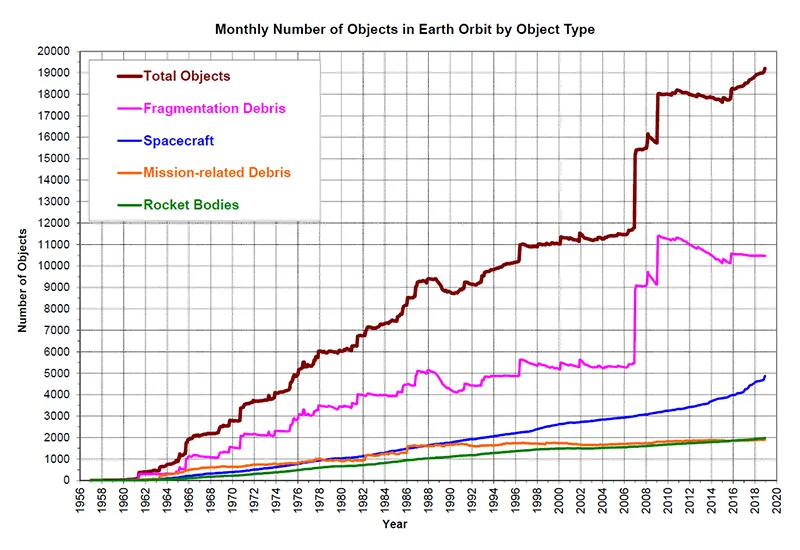
SpaceX, Amazon, and a growing list of tech players are filling low Earth orbit with thousands of satellites — and professional astronomers say the damage to ground-based science is already real. Here's what's at stake, who's pushing back, and what you can do about it.